Multi-Agent Systems (MAS): How “AI Swarms” are Solving Complex Engineering Problems
The Power of the Swarm
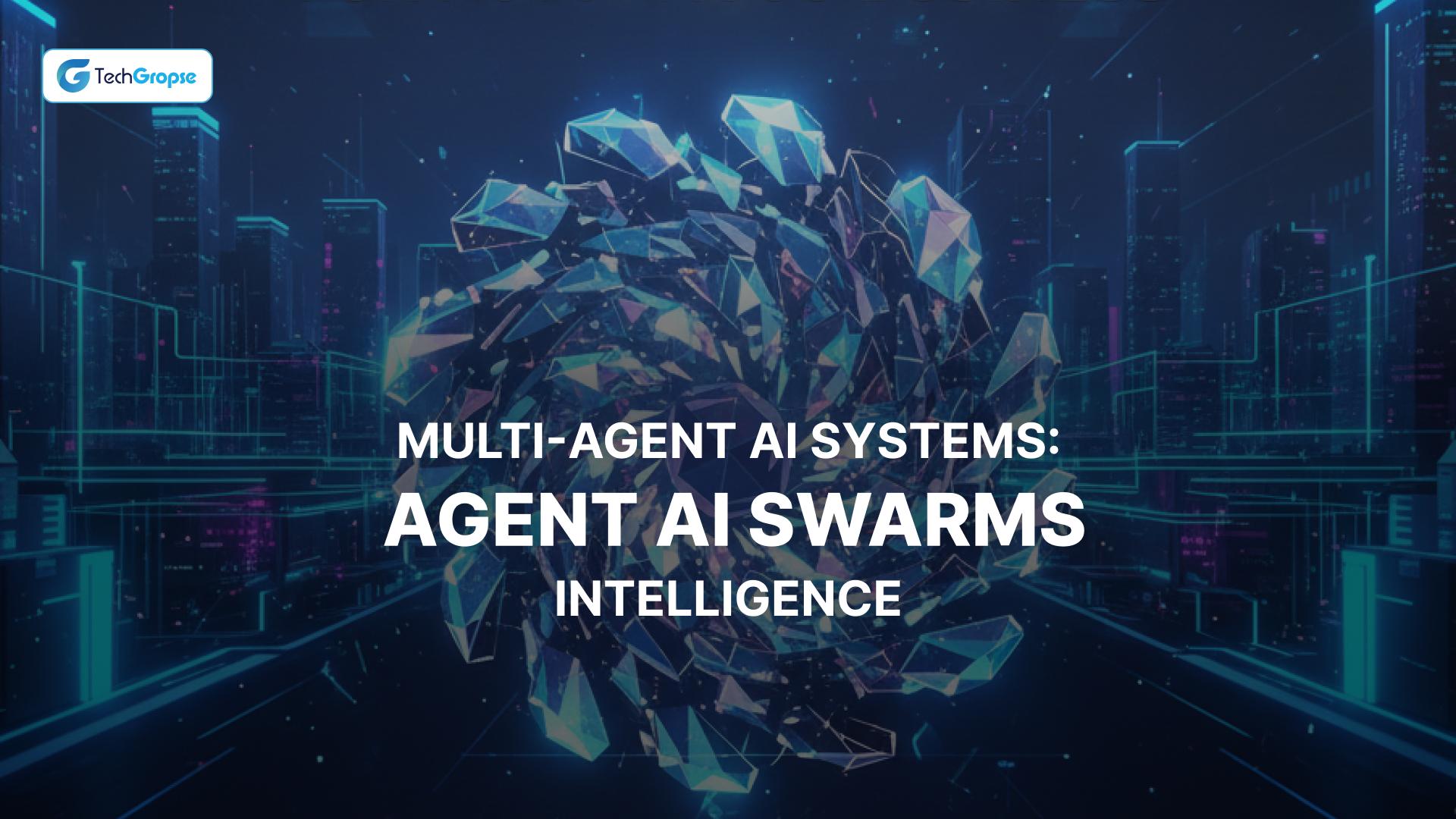
In 2026, we have reached the limits of “Monolithic AI.” One massive model trying to be a coder, a lawyer, and a creative director simultaneously is prone to “hallucinations” and logical fatigue. The solution that has dominated the tech landscape this year is the Multi-Agent System (MAS)—the practice of deploying a “swarm” of specialized, smaller agents that work together.
Specialization Over Generalization
A typical MAS deployment at a high-tech firm in 2027 looks like a digital boardroom:
- The Orchestrator: This agent manages the “State” of the project, delegating tasks and managing the timeline.
- The Specialist Workers: These are models fine-tuned for a single domain—one for Python 4.0 code, one for 4K ultra-realistic cinematic aesthetics, and one for Post-Quantum encryption standards.
- The Critic Agent: This is the most vital member of the swarm. Its only job is to find flaws in the other agents’ work. This “adversarial” loop ensures that by the time a human sees the output, it has already been peer-reviewed five times by machines.
Real-World Application: Autonomous Engineering
We are seeing MAS solve problems that were previously “unsolvable” by AI. In semiconductor design, swarms of agents are currently optimizing chip layouts for Neuromorphic Hardware, iterating through millions of permutations in hours—a task that previously took human engineering teams months. The “swarm” doesn’t get tired; it only gets more precise.