The Rise of Agentic Workflows: Moving from Passive Chatbots to Active Digital Employees
The Great AI Transition of 2026
The year 2025 was defined by the world learning to “talk” to AI. We marveled at chatbots that could summarize emails or write poems. However, as we move through 2026, the novelty of the chat interface has worn off, replaced by a much more powerful architectural shift: Agentic Workflows. We are no longer satisfied with an AI that tells us how to do something; we now demand an AI that simply does it.
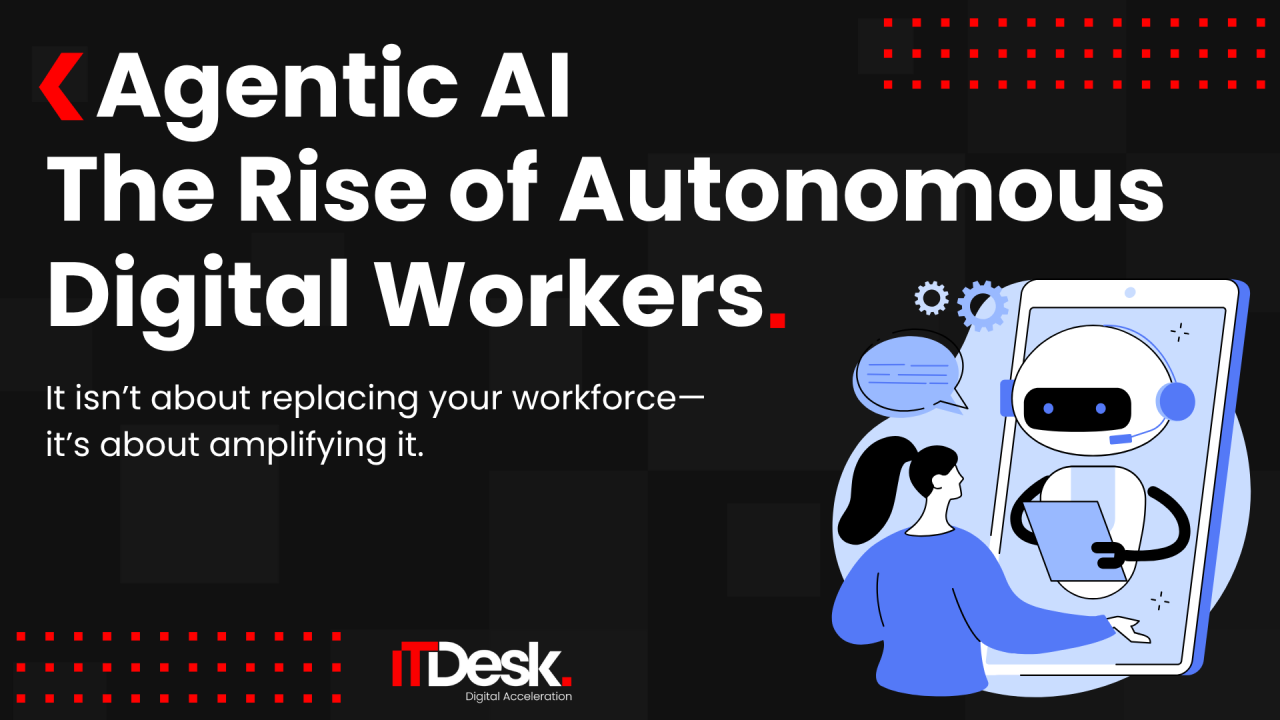
An “Agent” is fundamentally different from a “Chatbot.” While a chatbot is a reactive system that waits for a prompt, an agent is a proactive system characterized by three core traits: Reasoning, Tool-Use, and Iterative Planning. If a chatbot is a digital librarian, an agent is a digital employee with a specialized department and a set of keys to the office.
The Anatomy of an Agentic System
To understand why agentic workflows are the defining tech trend of 2027, we must look at the internal loop that governs them. Unlike traditional LLM calls, agentic systems operate in a “reflection loop”:
- Planning: The agent receives a goal (e.g., “Analyze the last 30 days of TRON energy costs and optimize my wallet staking”). It breaks this into sub-tasks.
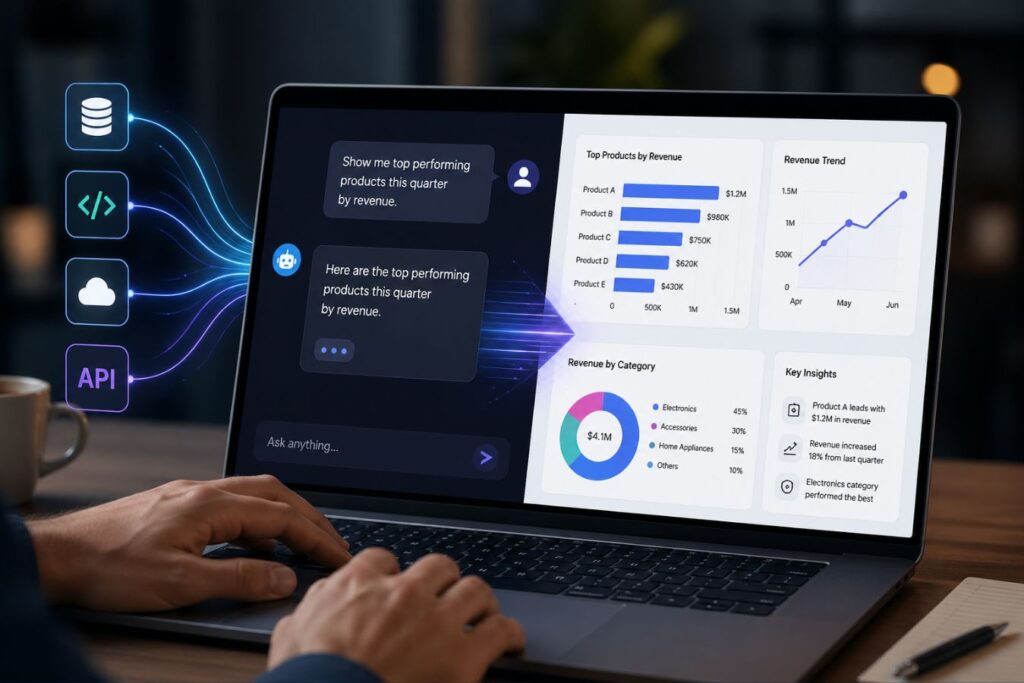
- Tool-Use: The agent accesses external APIs, blockchain explorers, or internal databases to gather live data.
- Execution: It performs the action—renting energy, swapping USDT, or updating a smart contract.
- Refinement: It checks its own work. If the transaction fee was higher than predicted, it analyzes why and adjusts the next step.
The Economic Impact: Toward “Outcome-as-a-Service”
For entrepreneurs, this shift changes the cost of scaling. In the “Chatbot Era,” you still needed humans to copy-paste AI output into other tools. In the “Agentic Era,” the human role moves to Architectural Oversight. Organizations are now measured not by their headcount, but by the “Agentic Density” of their operations. This allows a single digital content creator to manage a multi-national tech publication with the efficiency of a legacy media house.